Plumbing problems in commercial spaces are more than a frustrating inconvenience. They can slow down operations, damage property and goods, and impact customer experiences. Whether it's a burst pipe in an office building or a backed-up sewer line in a restaurant, minor plumbing issues can quickly escalate to major headaches. Unlike residential plumbing, commercial systems have a more complex infrastructure to support higher water usage. This can make them more vulnerable to wear and tear. Luckily, many common commercial plumbing issues are preventable through routine maintenance. By understanding these common plumbing problems, you can avoid unexpected breakdowns and keep your business running smoothly. Here are the 4 most common commercial plumbing problems and how to prevent them from affecting your business.
Clogged Drains
When thinking of plumbing problems, clogged drains are probably the first issue that comes to mind. In residential properties, fixing a clogged drain is relatively straightforward, but in high-traffic commercial facilities, blockages are more likely. Depending on the space, clogged drains can be caused by an accumulation of food waste, grease, debris, or hygiene products.
To prevent blockages, schedule regular professional drain cleaning. This is especially important for commercial kitchens or factories where organic material is likely to go down drains. You can also install drain strainers in wash areas and kitchens to catch material before a clog occurs. It’s also important to educate employees on the proper disposal of materials like grease and oil that can cause blockages.
Low Water Pressure
Restaurants, hospitality, and healthcare facilities rely heavily on steady, strong water pressure for daily operations. Unfortunately, another common plumbing issue, especially in multi-story buildings, is low water pressure. From faucets and showers to industrial hoses, low water pressure inconveniences employees and customers alike.
Addressing low pressure early will help maintain operational efficiency and prevent unnecessary strain on your plumbing equipment. Ensure that you regularly inspect your building’s plumbing systems for leaks. Other prevention tactics include cleaning faucet aerators and showerheads routinely and replacing any mineral-clogged or corroded pipes. You can also install pressure regulators as needed in your space. If you are still experiencing issues with water pressure, it is best to bring in a professional to identify and address larger system issues that could be causing the problem.
Water Heater Problems
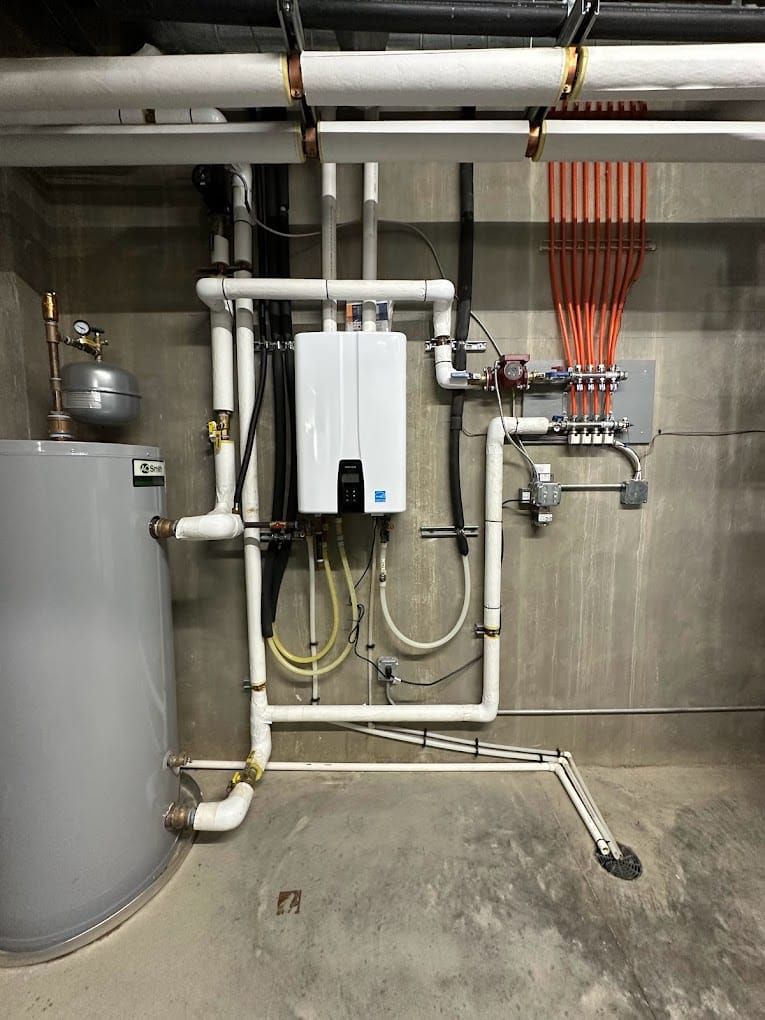
Water heaters are a necessity in most commercial buildings. Without hot water, your day-to-day operations may stall until the issue is fixed or you purchase a new heater. For places like restaurants, hotels, or medical spaces, this can be detrimental. Even if your water heater is working, it may still be running inefficiently, leading to costly energy bills. This could be caused by worn heating elements, failing thermostats, or sediment buildup.
To prevent your water heater from failing and ensure it runs as efficiently as possible, flush your unit regularly to remove sediment. You may also need to have a professional plumber replace a heating element or inspect the pressure relief valves. It’s also recommended to install a water softening system in areas with hard water, such as the Midwest. This preventative maintenance will help extend your water heater's lifespan and ensure your unit runs efficiently and reliably for years to come.
Burst Pipes
Unfortunately, burst pipes are a common cause of major property damage and can halt operations for extended periods. During the winter months, commercial buildings are especially vulnerable because low temperatures can cause water to freeze, expand, and burst pipes. Poorly insulated plumbing lines and older piping systems put your space at a higher risk for burst pipes.
To avoid serious water damage and costly repairs, ensure exposed pipes in unheated areas are properly insulated. For indoor spaces, maintain a consistent temperature during the winter months. Also, if you know that a space will be vacant while the weather is still cold, shut off the water supply during that time. As with other common plumbing issues, ensure you replace aging or damaged pipes as soon as you notice them. Regular inspections and winterizing your spaces are key to avoiding disastrous damage.
Commercial plumbing systems endure heavy daily use, making routine maintenance even more essential for maintaining a reliable space. From clogged drains and low water pressure to broken water heaters and burst pipes, minor plumbing issues can quickly become catastrophic when ignored. You can protect your business and avoid costly emergency repairs by recognizing these common plumbing issues early, implementing preventive maintenance strategies, and consulting local professionals.