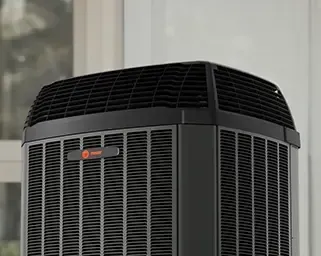
One of the most important investments you can make for your commercial building is finding the right-sized commercial HVAC system to heat and cool the space. Even a relatively new or well-maintained heating and cooling unit will not be capable of meeting demands if it simply isn’t the right size. We see it often, and there are a ton of issues that can arise when you make demands of an HVAC system that can never rise to the occasion. Not only will it be inefficient to run, but the increased hours on the unit will cause it to wear out faster than it would with the right-sized unit in the first place. So, here are some signs that you might be dealing with an HVAC unit that is too small or the wrong size for your commercial building's heating and cooling needs, and what we can do to help alleviate these issues.
Hot & Cold Spots Throughout the Building
Pockets of warm air or certain spaces that never seem to cool down or heat up properly are a telltale sign that your HVAC system is unable to distribute climate-controlled air evenly. While some areas of the building might be fine, certain areas, like a back office or upper floors, might remain too warm if the system does not have enough power to reach them. Even with adequate ductwork and clear vents, there simply isn’t enough cold air being produced to effectively maintain a comfortable temperature.
Utility Bills Continue to Climb Despite Maintenance
While regular maintenance is a great way to keep your HVAC system in top shape and keep utility bills manageable, no amount of maintenance can offset rising utility bills caused by an undersized unit. If your HVAC system is not large or powerful enough to efficiently heat or cool your space, it will have to work harder and longer to keep you comfortable. This extra work directly translates into higher utility bills without ever reaching the perfect temperature.
Your HVAC System Cycles On & Off Constantly
If you notice your HVAC system running constantly or excessively cycling on and off, then it is a sign that it is struggling to keep up with demand. What’s happening is that the unit is working too hard to reach the temperature. Normal cycles allow the system time to cool down and reset. When your system is constantly cycling on and off, then you are wasting energy and possibly causing damage to the unit over time.
Employees Frequently Complain About Comfort
It is no secret that employees will be happier and work more efficiently if they are comfortable in their working environment. If employees frequently complain that the office or commercial space is too warm or too cold, even with the thermostat set to an appropriate temperature, this might indicate the space is never reaching the right temperature. This might be a constant issue or only more prevalent when outdoor temperatures rise to the point where the undersized HVAC system cannot keep up.
Humidity Levels Are Difficult to Control
HVAC systems are an effective way to control indoor humidity levels because they remove moisture from the air during the cooling process. However, if your system is undersized, it might not run long enough to remove moisture, leaving you with high humidity and a damp, sticky feeling. Some key indicators that humidity levels are too high include a slightly musty smell, condensation on the windows, or air that feels damp even when the thermostat is set low. The exact opposite will generally happen in the winter, with cold, stale air sucking out the humidity, creating a non-humid environment, which is never ideal.
How a Professional HVAC Assessment Can Identify the Right Solution
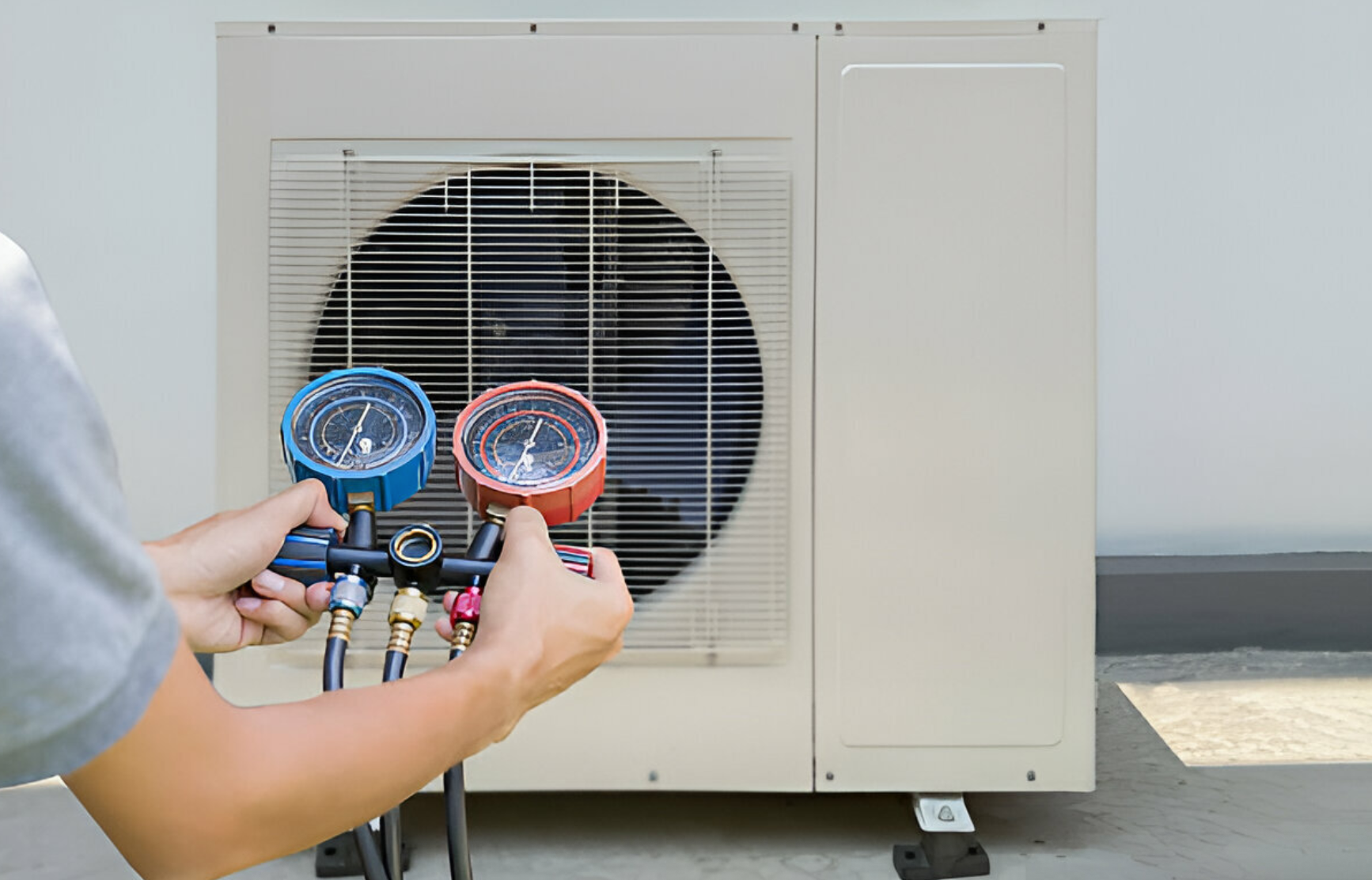
A professional assessment of your current HVAC system and commercial building can help dial in the right-sized HVAC for your space. A professional can look at critical factors like insulation quality, building layout, square footage and the local climate to determine the best size of HVAC system to meet your needs. Additionally, professionals can take into account the number of occupants, lighting, and equipment heat output, which will affect the proper airflow and the heating and cooling your HVAC system needs. Proper sizing of your HVAC system will help it run efficiently and lower your utility bills over time.