Reliable HVAC systems are essential for maintaining a productive, comfortable, and energy-efficient commercial space. Whether it’s keeping employees and customers comfortable throughout the day or maintaining proper ventilation and indoor air quality, dependable heating and cooling systems play a major role in daily business operations. Because commercial HVAC systems experience heavier use and operate on a much larger scale than residential systems, they are often more vulnerable to wear and tear over time. Their size and complexity also make preventative maintenance even more important. Without proper care, HVAC issues can become expensive problems for businesses, leading to costly repairs, premature equipment replacement, higher energy bills, and operational downtime. Fortunately, understanding the most common HVAC problems in commercial buildings can help business owners take proactive steps to avoid them. Preventative maintenance and routine inspections not only help reduce disruptions but can also extend the lifespan of equipment and improve overall system efficiency.
Uneven Temperatures & Airflow
One of the most common HVAC complaints in commercial buildings is inconsistent heating or cooling. Stubborn cold or hot spots in your building can be a serious issue. This lack of consistent airflow is often caused by blocked vents, leaking ductwork, or clogged air filters. Neglected system maintenance can also be at the root of this issue. Larger commercial buildings are more prone to airflow issues because of extensive duct networks and the complexity of multi-zone systems. To avoid airflow problems, ensure you schedule regular professional HVAC inspections and annual maintenance. In between professional visits, you should replace air filters regularly. Depending on your business operations, air filters should be changed every one to three months. You can also prevent blocked vents by routinely checking that vent openings are not physically blocked by furniture, equipment, or storage units. These tips will ensure that airflow through your HVAC system is unobstructed and that temperatures can be regulated without obstruction.
Moisture Issues
Many commercial HVAC systems produce condensation while operating. While systems are built to handle this moisture, clogged or damaged drain lines can cause buildup and leaks, leading to water damage, mold growth, and poor air quality. Not only can this impact employee and customer comfort and safety, but it can also damage products and harm equipment. To avoid this issue, conduct routine inspections of your HVAC unit’s condensate drain line, checking for cracks in the line or large pools of water in drain pans. As part of annual HVAC maintenance, professionals should also check drain pans and clear condensate lines to ensure moisture drains properly. You can also install humidity sensors to better track the air in your commercial space.
Thermostat & Control Issues
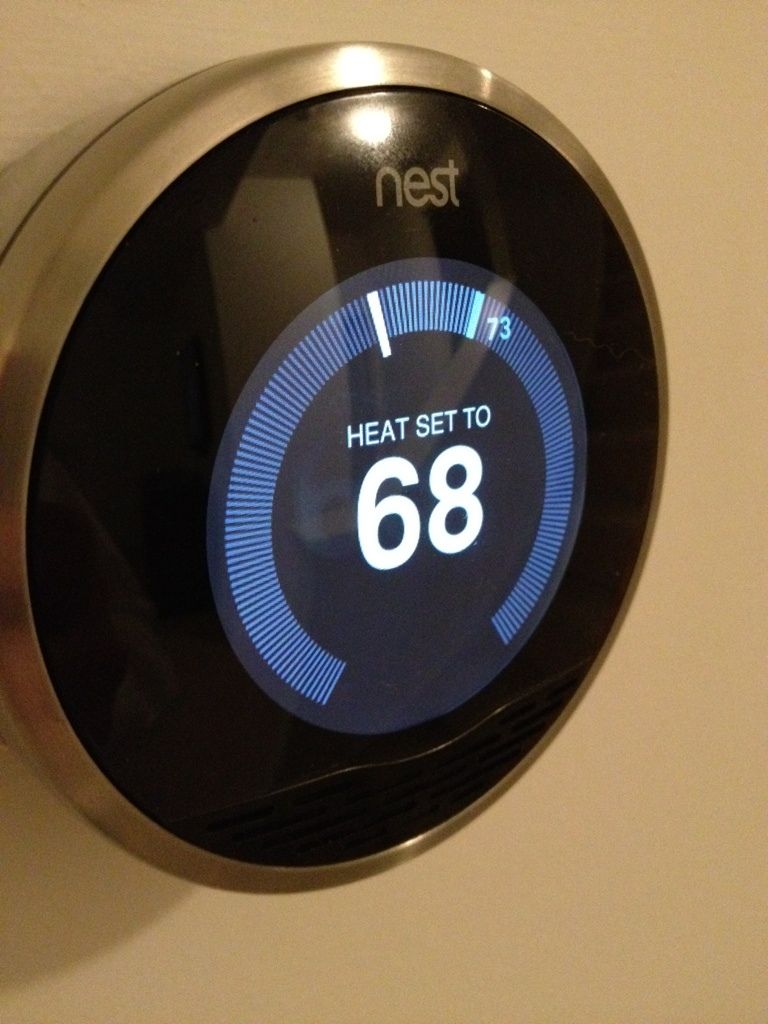
Often, HVAC issues are less about the actual HVAC equipment and are more about the thermostat or outdated building controls. Problems such as inaccurate temperature readings, poor calibration, or malfunctioning sensors can lead to inconsistent temperatures and even unnecessary energy use. Older thermostats struggle to regulate temperatures as efficiently as newer digital systems. Investing in modern smart thermostats can help ensure consistent temperatures across large commercial buildings with multiple zones. To avoid issues with faulty or inaccurate thermostats, ensure you regularly test your system controls during maintenance appointments.
Electrical Failures
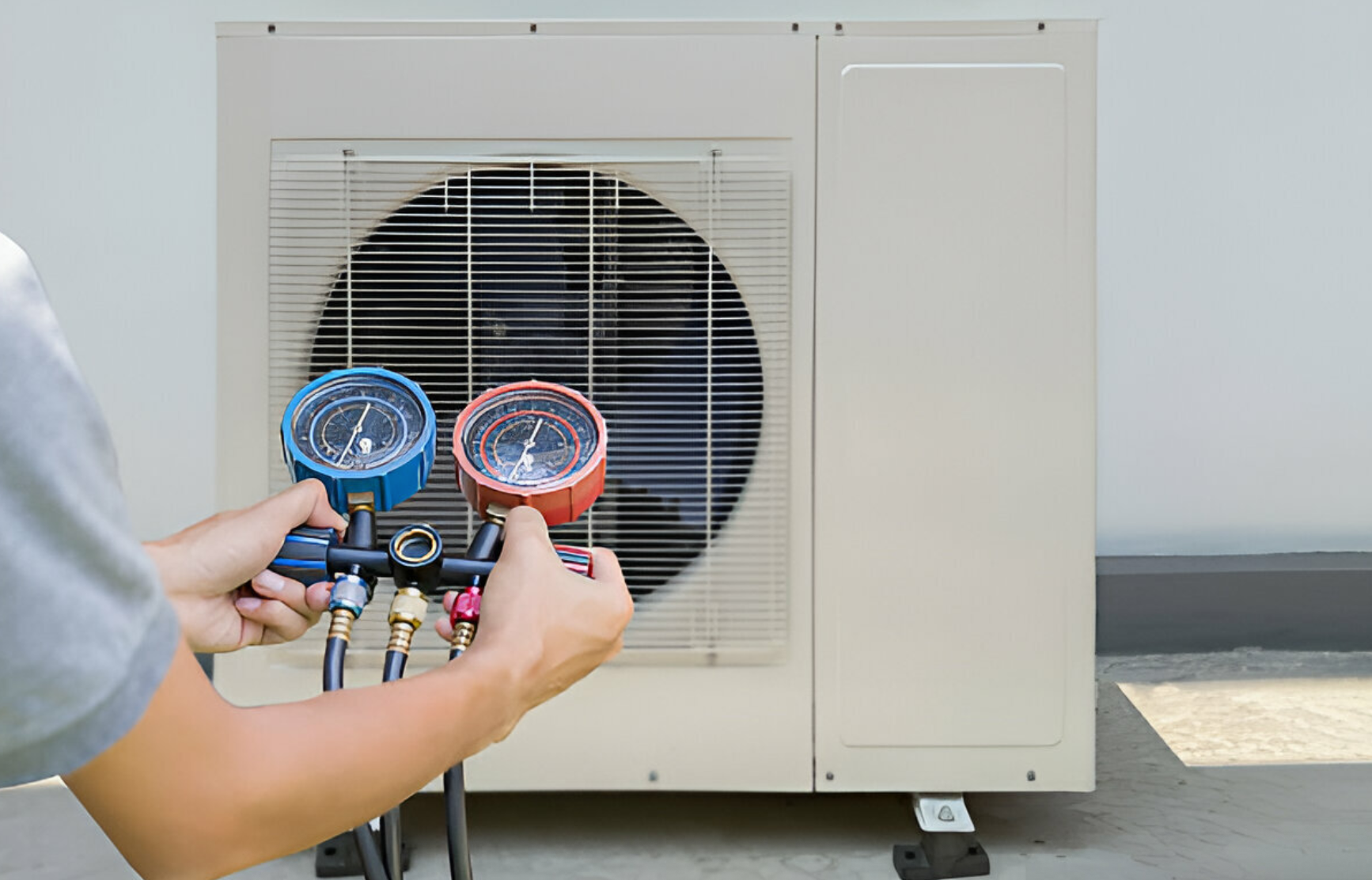
Large commercial spaces require a lot of energy to regulate airflow and temperature. This can put a strain on the numerous electrical components HVAC systems rely on. With constant use, power surges, or a lack of regular maintenance, your system’s wiring, capacitors, relays, and motors can fail. Even small electrical issues can cause major operational disruptions if ignored. Regular inspections by a professional are the best way to identify loose wiring, corroded parts, or other electrical damage before they result in total system failure. During your annual maintenance appointment, ensure that a technician tests your system's performance and replaces aging parts before they fail unexpectedly.
Commercial HVAC systems are a major investment and play a critical role in keeping businesses running smoothly. Avoiding common HVAC problems starts with proactive maintenance, regular inspections, and addressing small issues before they become costly repairs. Problems such as poor airflow, moisture buildup, thermostat malfunctions, dirty filters, and electrical failures can negatively impact comfort, indoor air quality, and overall business operations if left unchecked. By prioritizing preventative care and partnering with experienced HVAC professionals, businesses can reduce downtime, improve system performance, and extend the lifespan of their equipment. Investing in routine HVAC maintenance today can help prevent unexpected breakdowns, lower long-term operating costs, and create a safer, more comfortable environment for everyone inside the building.