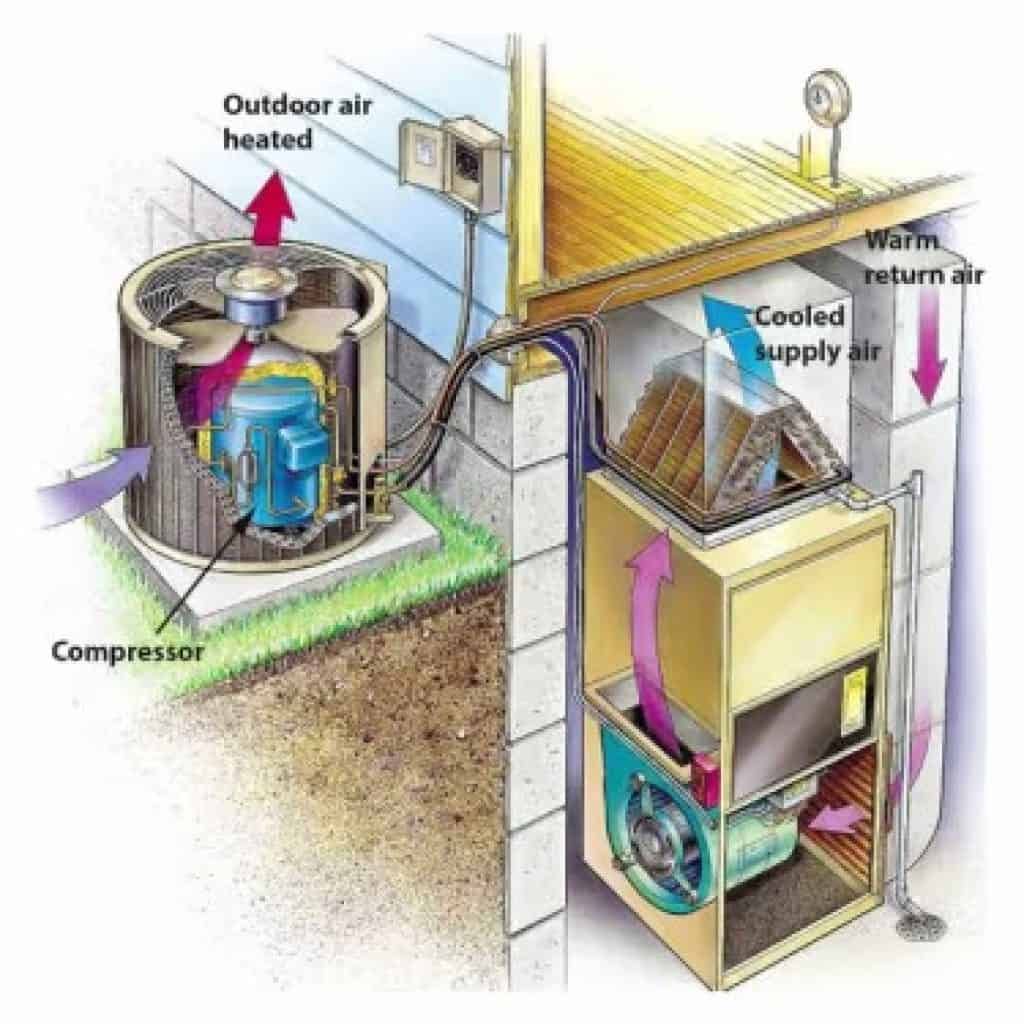
The residential HVAC niche has been dominated by forced-air furnaces for years, but that is slowly changing as heat pumps become more common across much of the United States. Heat pumps work well in most climates, but they can struggle with the colder temperatures we get in Michigan and Ohio. Low-temperature heating technology is advancing, but one of the most exciting developments in the U.S. residential heating market may be hydronic heat pumps.
Standard Heat Pump vs a Hydronic Heat Pump
Standard heat pumps across the country are air-to-air units that absorb air from the outside and blow warmed or cooled air directly through an indoor duct system. These systems move air efficiently, but can feel drafty or dry to some users. In a climate like the Deep South or the West Coast, these air-to-air systems are ideal because they don't have to work as hard to warm the outside air. However, in a climate like ours in the Midwest, these heat pumps will struggle to keep your house warm on frigid nights, so you will need a secondary heating system to make up the difference. That is why we have seen less of a pickup in our service region for these electrified options, since they simply fall short of what customers want.
In comparison, hydronic heat pumps are designed for use across the country in all climates and are either air-to-water or water-to-water systems that use a heat pump mechanism to heat or chill the water. Instead of using an existing duct system, these systems use radiant floor tubing, fan-coil, or radiator units to distribute heating or cooling throughout the home. The best part is that these systems are designed to handle the low temperatures we get in Toledo and Ann Arbour, down to –20°F and can maintain a comfortable indoor temperature without installing a secondary heating system.
Air to Water vs Water to Water
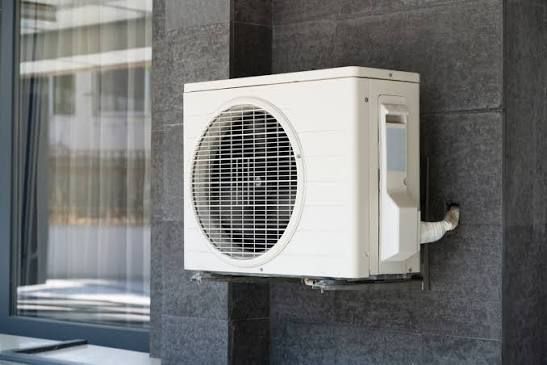
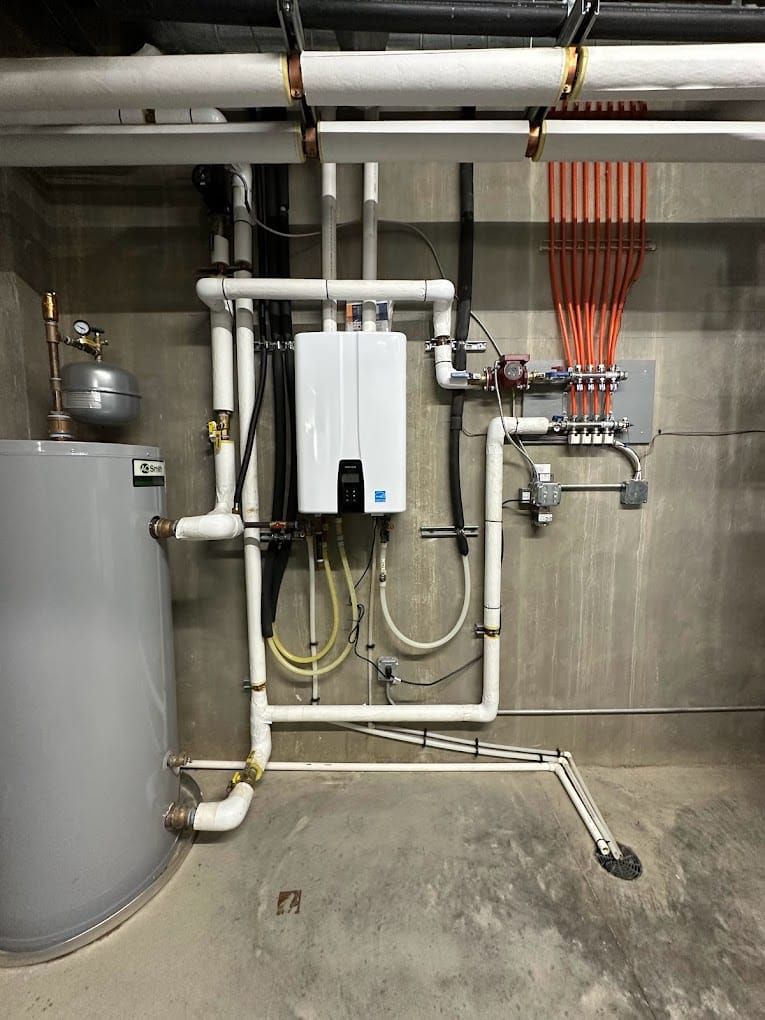
Hydronic heat pumps generally fall into two setups. The first is air-to-water, which takes air and heat from an outdoor unit and connects it to an indoor heat box and buffer tank to heat or cool the home. These systems are a little easier to retrofit on existing properties and require space for an exterior unit and indoor plumbing, making them an efficient heating and cooling option. Here in the US, this is the most common option on the market.
A water-to-water system relies on a ground loop, well water, or an external water body to draw heat or dissipate heat, as these larger liquid reservoirs offer more consistent year-round temperatures than air. These systems include a water-source cabinet with a dual heat exchanger: one tied to the reservoir loop and the other tied into the hydronic distribution loop. If the system has a larger exterior loop, you may also need additional external water pumps to move the water more efficiently. Here in the US, we normally use water-to-water systems in geothermal heating and cooling systems, but in the rest of the world, especially in Europe, these systems are the standard for heat pumps.
Why are hydronic heat pumps a great option for efficiency?
Hydronic heat pumps are one of the most efficient options on the market for a few reasons.
- Hydronic heat pumps can maintain a coefficient of performance at low temperatures and have been tested down to –20 degrees Fahrenheit.
- Because these heat pumps run on electricity rather than natural gas or propane, you can use renewables such as wind or solar panels to run your heating and cooling off-grid.
- Unlike a traditional forced-air furnace, which can only heat your home, these systems can provide suitable heating and cooling for homes of all sizes.
- Hydronic heat pumps are cheaper to operate than other heating and cooling systems, especially compared to electric resistance or propane-powered units.
- These systems are designed to be flexible and work around your specific needs. The most efficient distribution method is through radiant floor tubing, but you can also pair it with radiator units or fan-coil units.
When should you consider a hydronic heat pump?
These systems are a bit more unique, which means that if you choose this route, you'll likely have higher installation costs. We typically recommend these complex systems for new homes and homes undergoing major renovations. This HVAC system also works with homes that already have radiant floor heating and is great for those looking to switch from fossil fuels and plug into existing renewable power sources to further reduce HVAC costs.