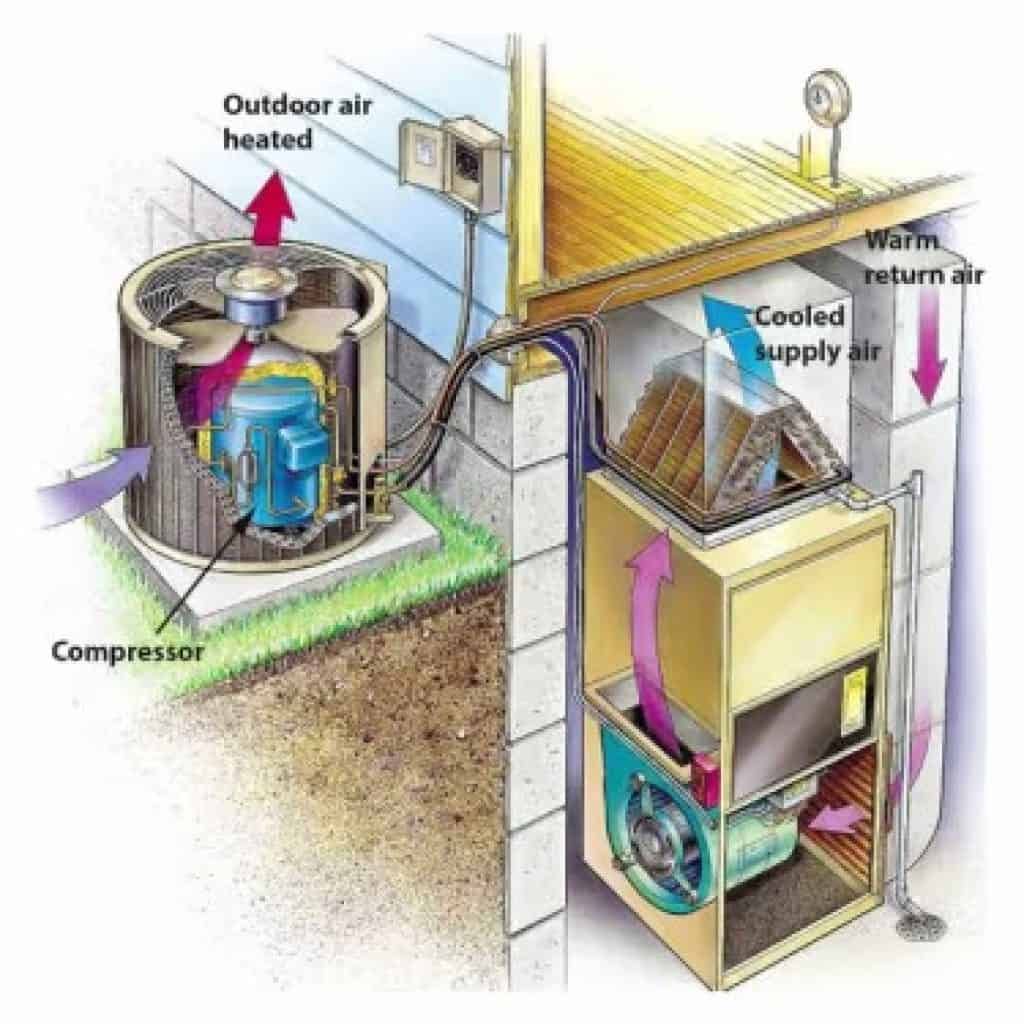
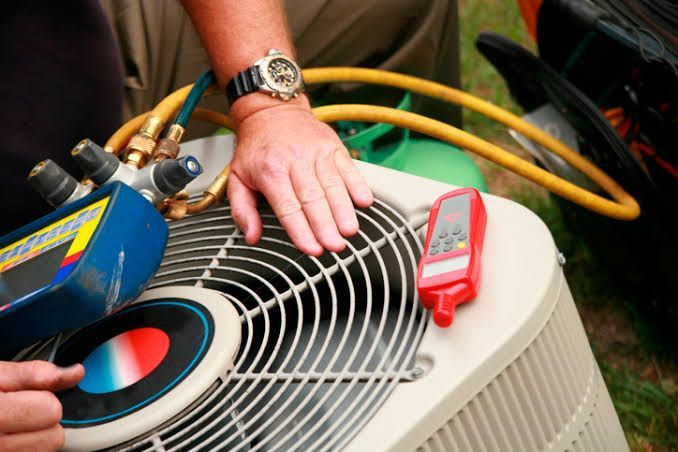
With so much changing in the residential and commercial HVAC world, the latest shifts in the variable-capacity compression niche may be among the biggest of 2026. We have been tracking the newest additions from York, Carrier, and Rheem, and the new variable-capacity compressors are impressive. In this blog, we'll take a deep dive into variable-capacity compression and how it could improve your next heat pump.
Why Compressor Innovation Matters
For many homeowners in Ohio and Michigan, a heat pump is a great option, but it still requires a supplemental heat source like a natural gas or electric furnace. These dual-fuel configurations are fine, but they can cost homeowners extra money and create more complex systems just to heat your home.
The good news is that heat pump manufacturers have seen the issue and are developing more efficient technologies designed for harsher climates. Variable-capacity heat pumps can be sized to meet the heating loads of your northern home, as the compressors have enhanced vapor injection capability that can provide additional heat-capacity boosts. In the summer, the heat pump can run at half capacity to keep you cool on hot August afternoons. The best part: manufacturers are actually building a few different styles of variable-capacity compressors to keep costs down and give homeowners the comfort settings that they want.
Styles of Variable-Capacity Heat Pumps
Because there is no one-size-fits-all for home comfort, leading heat pump manufacturers have integrated several compression platforms to deliver variable-capacity heating and cooling across multiple price points. Finding the right fit usually takes a discussion with your local HVAC technician, but you'll have several options depending on what you are looking for.
Two-Stage Scroll Compressors
Two-stage scroll compressors are typically found in mid-tier equipment and are designed to improve home comfort while offering a straightforward design that works in most residential properties. These compressors operate at two capacity levels: full capacity during peak demand and reduced capacity (typically around 67%) during part-load conditions like cooling. These systems are ideal for part-load heating and typically will require a dual-fuel configuration for a home here in Toledo, Ohio.
Inverter Swing Rotary Compressors
Inverter Swing Rotary Compressors are used in mid- to premium-tier heat pumps and deliver efficient part-load performance that fits our Midwest climate. These compressors offer continuous capacity modulation within the system by making small adjustments to the motor speed through an integrated inverter drive.
Variable-Speed Scroll Compressors
These compressors are used in premium-tier heat pumps and are designed for high-efficiency settings or in cold-climate scenarios where an overspeeding boost is going to boost your heating capacity. These compressors match output perfectly and keep your home just how you like it year-round.
Other Features that you should consider
Outside of your compressors, the other feature that is starting to gain a lot of attention, especially in our colder climate, is enhanced vapour injection systems. They inject vapour during the compression cycle, which sub-cools the refrigerant and allows more efficient heat transfer. These systems are able to increase heating capacity by up to 20% and increase heating efficiency by 10% when integrated with two-stage and variable-speed scroll systems.
Is this the future of Residential HVAC?
Heat pumps are one of the most exciting niches in the residential HVAC world. They offer a great heating and cooling solution for those without a natural gas line or looking to electrify their HVAC systems. However, the knock has always been their inability to work in our climate, and these new innovations might be the first step toward making them a real option for those of us who actually have to deal with winter.
If heat pumps can comfortably heat homes in the Midwest down to negative 10 degrees, the popularity of these units is going to skyrocket. Not only are heat pumps a better overall heating and cooling option in terms of environmental impact, but as high-efficiency systems, they're also going to be cheaper to run than a standard gas furnace. Over the next few years, heat pumps and their compressors will continue to evolve, and we will stay up to date with updates and provide our clients with the information they need to make informed decisions about their heating and cooling needs.
If you are interested in a heat pump and want to chat about your options from one of the major manufacturers such as Carrier, York, or Rheem, our team is happy to connect and help you choose the best HVAC system for your home.