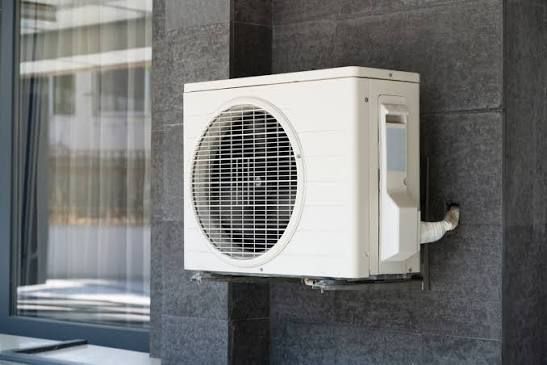
Did you know the refrigerant used in your AC unit or heat pump is highly regulated, and the latest nationwide changes could affect you if you are looking to replace your system? Well, it is true, and in this blog, we'll explore what these changes mean for you in 2026, why they're happening, and what to expect as your system’s refrigerant is phased out.
Why Refrigerants are Changing
Refrigerants are a leading contributor to your carbon footprint, and environmental regulations have changed over the years to phase out more damaging refrigerants from commercial and residential use. It started with a move away from R-22 several years ago. In 2026, regulations changed again, targeting R-410A refrigerants and banning their use in new HVAC systems.
Now it is not all bad news: manufacturers knew this was coming, and the new systems with these modern refrigerants are being built for strong efficiency to help you use less electricity to cool your home. However, this also means HVAC companies must change how they work on these machines and ensure they can handle the new refrigerants, including R-32 and R-454B. From new line sets to sensors and even charging procedures and code compliance, these new refrigerants represent a changing of the guard in the HVAC industry, and Fry is at the leading edge of this change.
What is changing in 2026 in the cooling community
A refrigerant phase-out is not like a car recall or a product warning; it is a phased approach that will see manufacturers shift away from R-410A refrigerants in residential and light commercial AC units. This means the change will affect only new units, while HVAC technicians can still work on and repair older systems.
The biggest difference is that you will no longer be able to buy an older refrigerant system, and HVAC companies will begin changing their service procedures and product inventory to account for the change. The most popular options are current R-454B and R-32, both paired with high-efficiency cooling units that pack a punch, even with the more environmentally friendly refrigerant.
What homeowners need to know about these changes
For most homeowners, this change won't be a major issue if you are looking for a new unit. You will start hearing about the changes from your local HVAC company, and they may discuss replacing your aging unit to meet new code requirements in your area.
However, we may see price pressure in the market as companies scramble to make the changeover on their end. New equipment and new refrigerant mean companies will need to train their HVAC technicians, update components and part lists, and ensure compatibility with existing air handlers. It is reasonable to expect your new HVAC unit to cost more than your old unit, but you shouldn't see a massive jump in 2025 vs. 2026 pricing.
Even with the higher price, a new AC unit can actually save you money over the long term, especially if you are upgrading a decades-old machine. In some cases, you can pay off a new AC unit in just a few years by using the savings on your electric bill.
What do commercial properties need to know?
On the commercial side, your AC units, rooftop units, and split systems could face price pressure if you are looking to replace an older system. New refrigerant can save you money long term when paired with high-efficiency options on the market, but only if you replace the full unit. If you run multiple properties, now may be a good time to take stock of what you have and plan replacements accordingly, since you don't want to run two different refrigerants in your building's HVAC systems.
Is it better to wait or replace now?
This isn't a simple answer, as it depends on your system. If you are running a cooling system that is 12 to 15 years old, constantly having issues, and slowly losing performance, it might be time to replace it. However, if your system is still functioning and cooling the way you want it to, it may be a good idea to wait and see where the market goes in terms of the overall cost to replace and install a new system. Luckily for you, the team at Fry can assess the condition of your cooling systems and guide you on next steps, whether that's replacing or maintaining your existing AC unit or heat pump.