Sustainability has become an increasing priority for companies across industries. As businesses continue to evolve, the systems they rely on for everyday operations must evolve as well. From warehouses and retail spaces to restaurants and office buildings, business owners are searching for practical ways to reduce their environmental impact while lowering long-term operating costs. Commercial plumbing systems are one of the most effective places to start improving efficiency, conserving resources, and supporting greener operations. Whether it’s reducing water waste, lowering energy consumption, or improving overall building performance, these commercial plumbing upgrades can strengthen your company’s commitment to sustainability while improving reliability and reducing utility expenses.
Install Low-Flow Fixtures
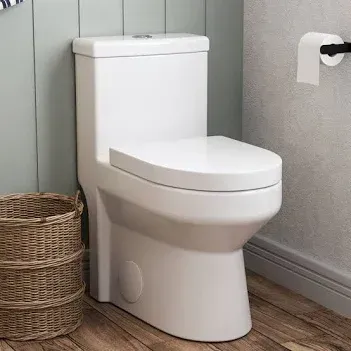
One of the simplest and most cost-effective ways to reduce water consumption in commercial spaces is by upgrading to low-flow plumbing fixtures. These fixtures are designed to reduce water usage through technologies such as aerators, dual-flush mechanisms, and flow restrictors. In faucets and showerheads, aerators mix air with water to maintain pressure while using less water, while dual-flush toilets allow users to select different flush volumes depending on need. Older toilets, urinals, and faucets often use far more water than necessary, resulting in substantial waste at high-traffic commercial properties such as hotels, manufacturing facilities, schools, and office towers. For businesses with multiple washrooms or large employee facilities, installing low-flow fixtures can reduce water consumption by 25 to 60 percent. In addition to lowering utility bills, these upgrades can also reduce strain on municipal water systems and demonstrate a company’s commitment to environmentally responsible operations.
Invest in Greywater Systems
Environmentally conscious businesses are increasingly adopting greywater recycling systems to improve water efficiency. Greywater systems collect lightly used water from sinks, showers, and other non-contaminated sources before it enters the sewer system. The water is then filtered and repurposed for non-potable uses such as toilet flushing, irrigation, and cooling systems. Without a greywater system, thousands of gallons of reusable water can go to waste every day in large commercial buildings. While installation costs may be higher upfront, the long-term environmental and financial benefits can be substantial. Greywater systems help reduce freshwater demand, lower utility costs, and support sustainability initiatives, particularly in regions facing increasing water conservation requirements. These systems can also help businesses contribute toward green building certifications and corporate environmental goals.
Upgrade Commercial Piping
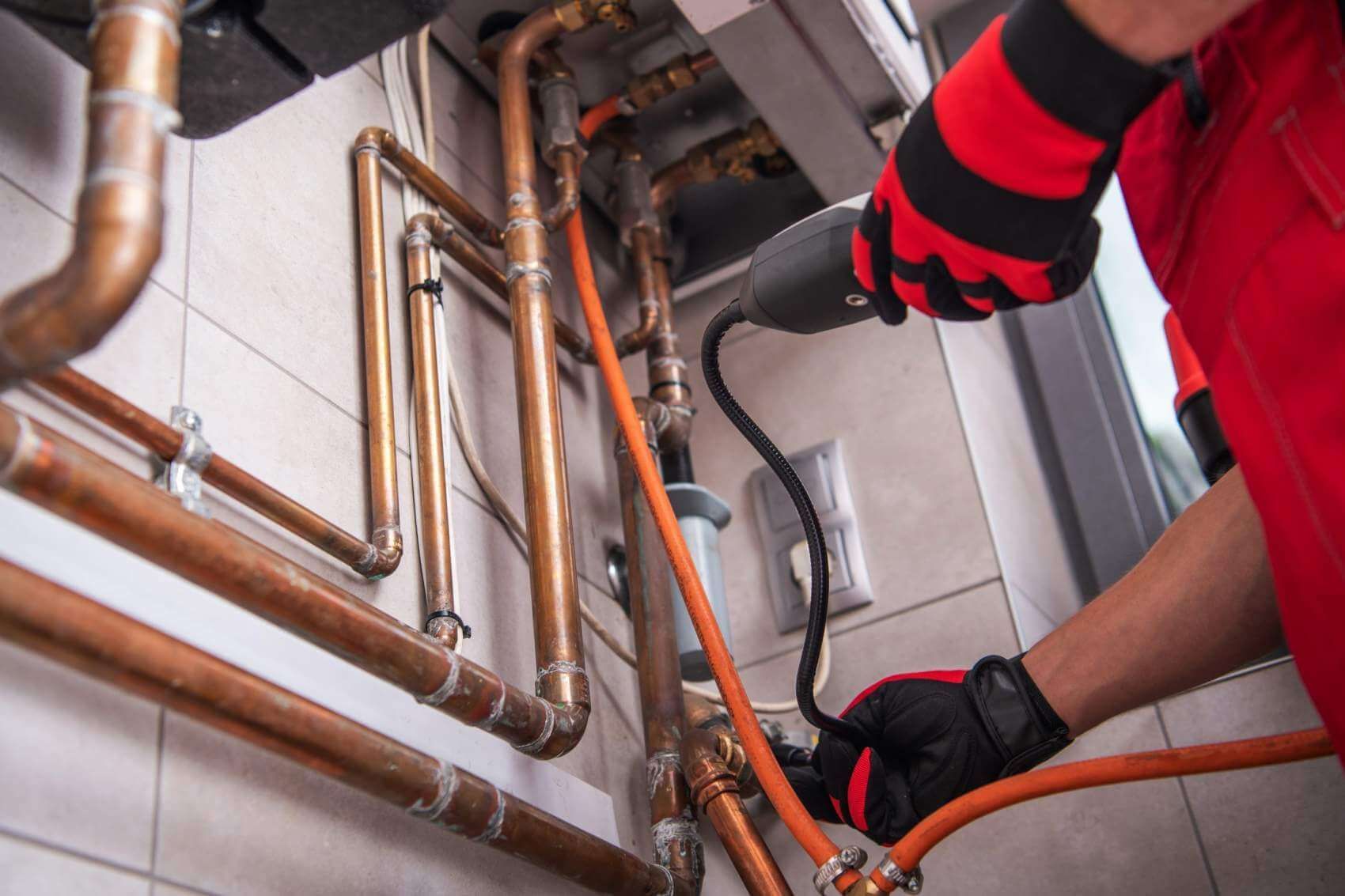
If your commercial space is in an older building, outdated plumbing pipes are likely contributing to energy inefficiency and can lead to leaks and corrosion. As infrastructure ages, the maintenance your systems need increases, raising your costs and wasting water in the process. You can upgrade your business’s pipes from energy-intensive, corrosion-prone metals to modern materials such as High-Density Polyethylene (HDPE) and cross-linked polyethylene (PEX).
Upgrade Your Water Heaters
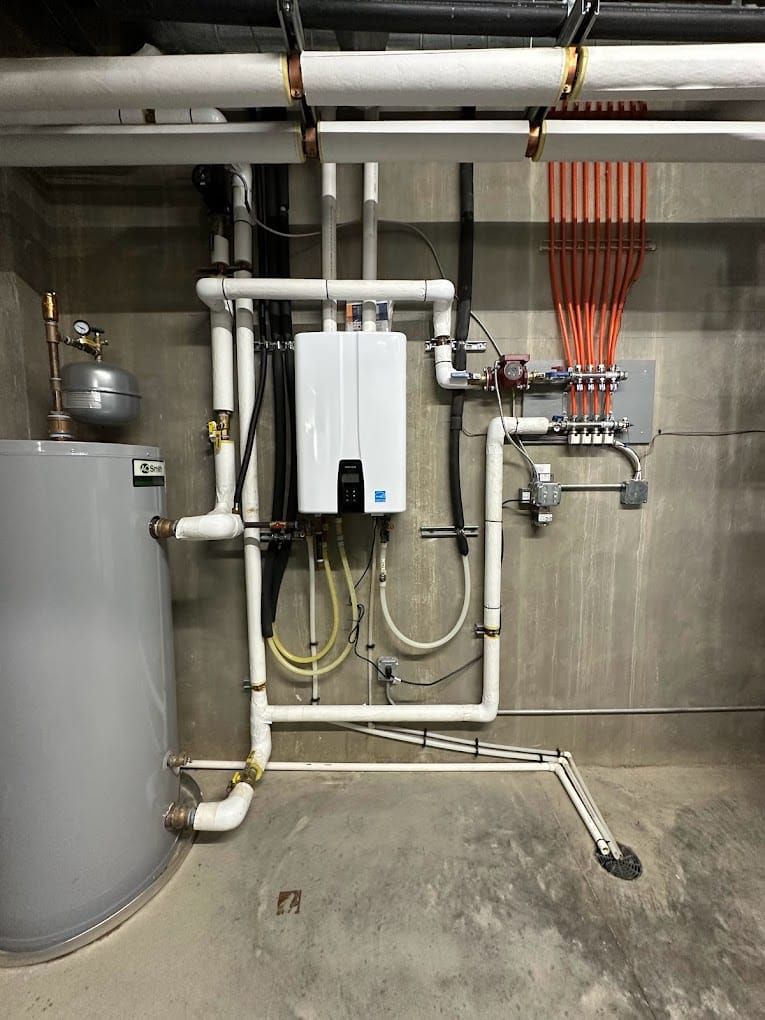
Conventional commercial water-heating systems consume a large amount of energy. This can be especially costly for businesses such as restaurants, hotels, and healthcare facilities, where instant access to hot water is essential. By replacing older systems with more energy-efficient water heaters, you can significantly improve your business’s sustainability. Tankless water heaters, high-efficiency boilers, and heat pump water heaters are all great options for reducing energy consumption. Tankless systems provide on-demand hot water, eliminating the energy losses that come with traditional storage tanks. This is not only great for sustainability, but it can also considerably lower your monthly water bills. Businesses can also improve efficiency by insulating hot water pipes and upgrading outdated circulation systems. These changes help maintain water temperature while reducing wasted energy.
IoT Smart Flow Meters
Businesses across industries are integrating Internet of Things (IoT) sensors or smart meters to monitor water flow, temperature, and pressure in real time. These IoT monitors allow systems to detect anomalies and suggest corrections through self-diagnostic features. This predictive maintenance can reduce operational downtime, increase the lifespan of your equipment, and avoid emergency repair costs. By investing in an IoT smart flow meter system, you can address minor issues before they become costly problems.
Advance Your Commitment to Sustainability
Commercial plumbing upgrades are more than just environmentally responsible investments. They also make strong financial sense. By reducing water and energy use, businesses can lower monthly operating costs while minimizing the risk of costly repairs from leaks, inefficient equipment, or aging infrastructure. Sustainable plumbing improvements can also help companies meet evolving environmental regulations, support green building certifications, and strengthen their reputation among environmentally conscious customers and partners. As businesses continue prioritizing sustainability and operational efficiency, investing in modern commercial plumbing systems has become an essential part of long-term facility management. From low-flow fixtures and greywater recycling systems to upgraded piping, energy-efficient water heating, and smart monitoring technology, these plumbing upgrades can deliver lasting benefits for both the environment and your business’s bottom line.